


Forum Virium has collaborated with Aalto University’s International Design Business Management (IDBM) master’s programme within our EU-funded TREASoURcE project where we have been exploring practical, system-level solutions to critical circular economy bottlenecks of plastic recycling.
By combining multidisciplinary expertise across businesses, technology, law, and design, the project groups focused on two major environmental challenges: scaling non-packaging rigid plastic recycling and removing plastic impurities from industrial biowaste composting.
These International Design Business Management (IDBM) industry projects developed potential pathways based on expertise and mentoring of Finland’s leading landscaping products manufacturer Kekkilä-BVB and rigid plastic recycling operator Syklo. These publicly available studies contribute to the TREASoURcE project’s objective of identifying replicable practices for circular economy.
Scaling Non-Packaging Rigid Plastic Recycling
Non-packaging rigid plastics, such as crates, buckets, and toys are in many global markets often overlooked. In many global markets, including the EU, Extended Producer Responsibility (EPR) does not cover these solid plastic items, meaning they rarely get collected systematically from households and typically end up incinerated. The case study was supported by Finland’s largest player in the plastic processing industry, Syklo Ltd. To address this “wasted opportunity,” the team investigated practical system designs to enhance consumer-level plastic recognition and collection.
Tackling Plastic Impurities in Biowaste
Plastic contamination within industrial biowaste composting, focusing on a case study with Kekkilä, Finland’s leading manufacturer of landscaping products. Kekkilä’s facility in Joutseno frequently receives organic waste contaminated with plastic packaging from grocery stores, where fast-paced environments and resource constraints hinder proper sorting at the source. These residues compromise compost quality and pose risks of microplastics entering the soil ecosystem.
Through systems analysis, technology assessments, field studies, and international benchmarking, the researchers designed a strategy to achieve plastic-free soil.
The Power of Cross-Sector Collaboration
Both projects reinforce a central theme: solving systemic circular economy issues requires active, ongoing cooperation between industry players, researchers, and policymakers. By combining diverse cultural and professional backgrounds, these initiatives help eliminate early assumptions and deliver robust, company-agnostic frameworks that can be adapted across different regions and regulatory landscapes.
For more details on these initiatives or to explore replication frameworks, please contact Kaisa Sibelius at Forum Virium Helsinki.
Photo: Kaisa Sibelius
Additional information
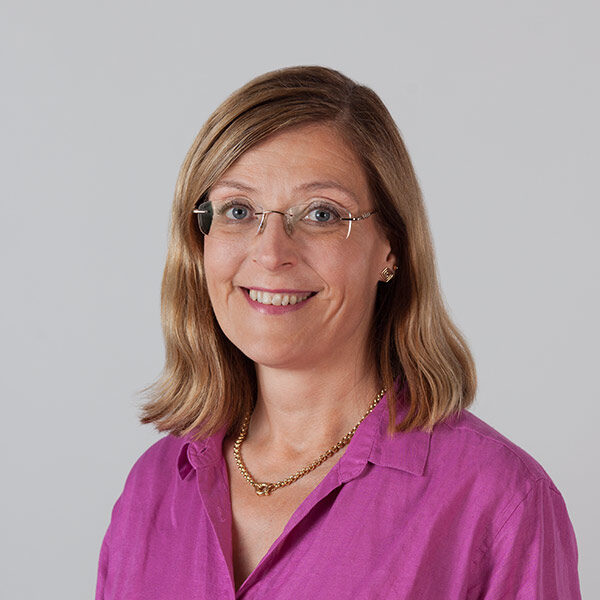
Kaisa Sibelius
Senior Project Manager
+358 40 570 1317
kaisa.sibelius@forumvirium.fi

