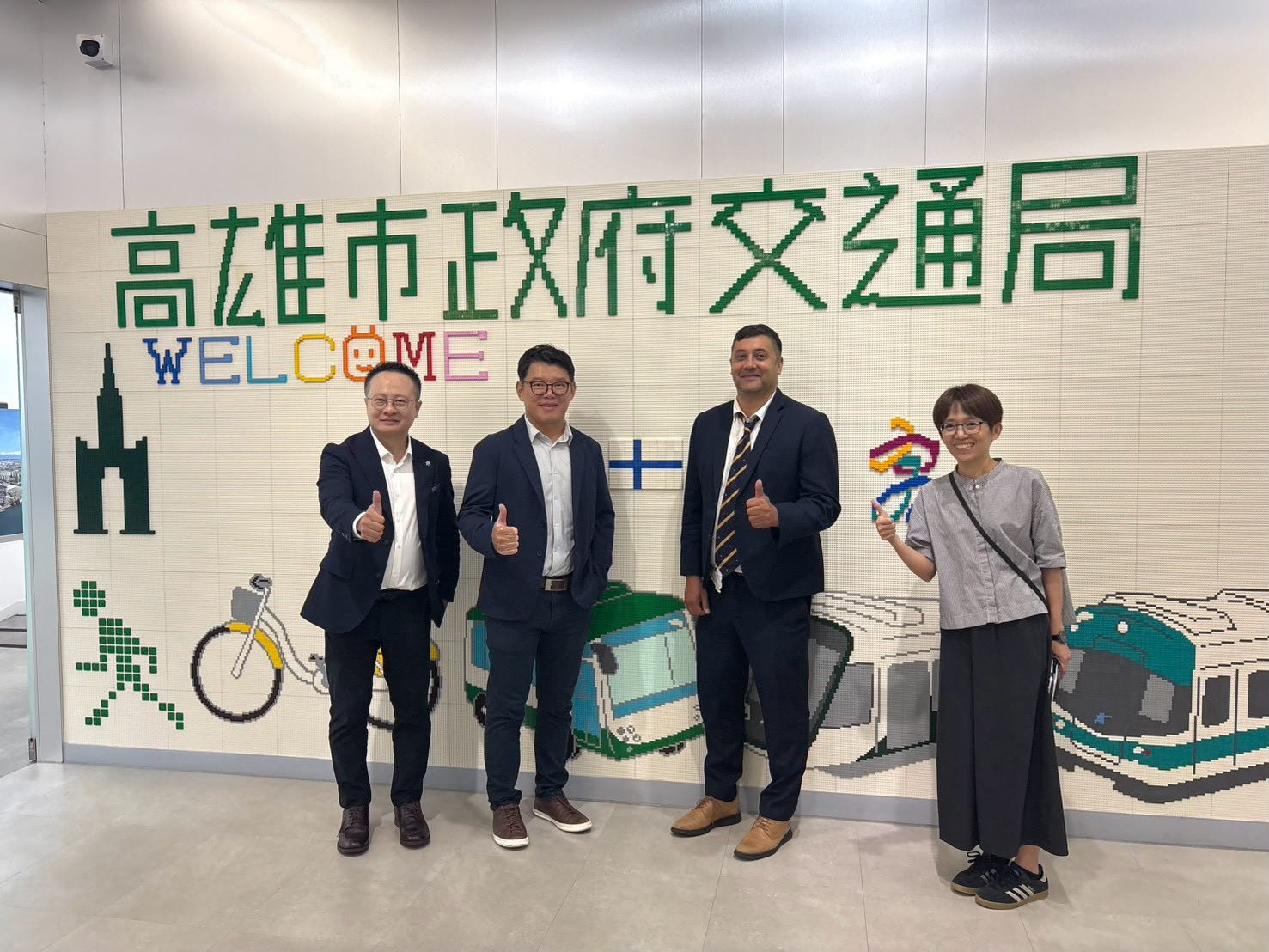
Blog post and photos: Forum Virium Helsinki Project Manager Aleksis Pillai, Urban Mobile Robotics.
Executive Summary
During the trip, over 20 organisations were met across six Taiwanese cities: Taipei, New Taipei City, Taichung, Tainan, Chiayi, and Kaohsiung. The meetings included representatives from cities and public entities, startup and investment ecosystems, research institutes, and companies.
The primary themes were AI, robotics, health technology, drones, smart city solutions, and cybersecurity. The itinerary also included the TAIROS 2026 robotics event.
Key Message:
Taiwan is actively seeking European city and ecosystem partners, and Helsinki is viewed as an attractive gateway to the EU market. Almost all the parties we met with presented concrete proposals for further cooperation, and several also offered testbeds and solutions for the city to use.
Main Observations
- City Diplomacy: The City of Taipei wants to deepen high-level cooperation and invite the Mayor of Helsinki to join its international mayoral network. CY Huang invited Helsinki to join the ROBO robotics network he is building (Taichung, Atlanta, Turin).
- Startup Cooperation: Invest Taipei, New Taipei City, CardinalRain, and Startup Terrace would direct companies seeking to enter the EU market to Helsinki and desire collaboration with Maria 01 and the Aalto Startup Center.
- Testbeds and Pilots: Shalun Science City and the Chiayi Drone Innovation Center offer testbeds. DURENDAL proposed a pilot project to convert the city’s remote-controlled drones into autonomous ones.
- Health Technology: Imedtac, the Taichung Healthcare Systems Consortium, and AdvMeds would like to offer their solutions to HUS (Helsinki University Hospital) and the Social Services, Health Care and Rescue Services Division.
- Smart City: Kaohsiung’s AI-based situational awareness system is an interesting point of comparison, and the city would be happy to exchange experiences.
Background and Objectives of the Trip
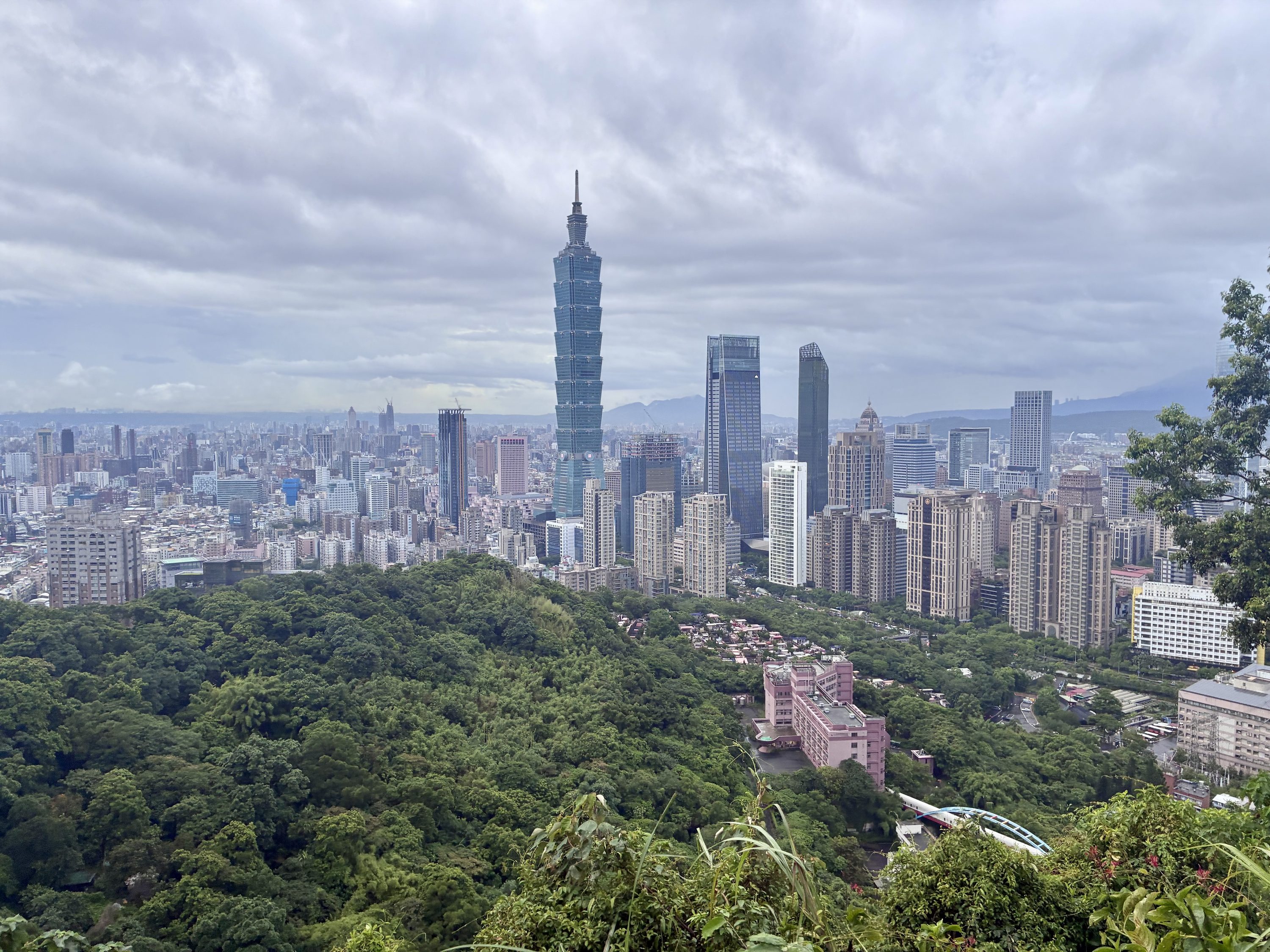
The objective of the trip was to explore Taiwanese AI, robotics, and smart city ecosystems, network with cities and innovation actors, and map out opportunities for collaboration that support Helsinki’s vitality, the internationalisation of its companies, and the development of the city’s own operations. The itinerary proceeded from Taipei and New Taipei City through Taichung, Tainan, and Chiayi to Kaohsiung.
Observations by Theme
3.1 Intercity Cooperation and Networks
Representatives of the Taipei City Government (Eric Yu and Chen Chun-An) wanted to build a direct intercity cooperative relationship with Helsinki and have the Mayor of Helsinki join Taipei’s international mayoral network. Another opening came from CY Huang (FCC Partners), who is building the ROBO robotics community network and would like Helsinki to join. TAIPO, in turn, acts as a bridge between the EU and Taiwan, promoting manufacturing cooperation in places like Poland.
Significance for Helsinki: These openings provide access to international networks but require a policy decision from city management on the level and content of participation.
3.2 Startup Ecosystems and Investments
A comprehensive support structure for foreign growth companies has been built at the Taipei, New Taipei City, and national levels. Invest Taipei acts as a one-stop-shop (company establishment, premises, visas, R&D subsidies, PoC testing) and makes its own investments. Startup Terrace is Taiwan’s largest startup hub supported by the Ministry of Economic Affairs, featuring a soft landing program for foreign companies. CardinalRain operates incubators and accelerators, offering access to venture capitalists and its own fund investments. All three are interested in directing companies aiming for the EU market to Helsinki and strengthening cooperation with Maria 01 and the Aalto Startup Center.
Significance for Helsinki: Two-way cooperation could bring Asian growth companies and investors to Helsinki and open a pathway for Finnish startups to Asian markets and funding.
3.3 AI, Robotics, and Smart Manufacturing
TAIROS 2026 and the ITRI visit provided a good overview of Taiwan’s robotics expertise: exhibits included a robot assembling surgical tools, a ramen-making robot, robot dogs designed for harsh environments, and mobility-supporting exoskeletons. Solomon offers AI-based 3D machine vision, and Foxconn represents the world’s largest electronics manufacturer. ITRI is interested in research cooperation and would include compelling companies in its company-led development service. Shalun Science City is researching AI and robotics applications in areas such as caregiving, sports, the circular economy, and green energy.
3.4 Smart City and Situational Awareness
Kaohsiung showcased a practical example of utilising AI in a city organisation’s situational awareness. Linker Vision (NVIDIA) analyses the video feed from the city’s surveillance cameras and continuously produces task-specific data for various actors. Cupola360 provides a 360° situational view, which an observer monitors in real-time at a control center. Both companies are offering their solutions to Helsinki, and the city is eager to exchange experiences.
Significance for Helsinki: These solutions can provide a benchmark for developing the city’s situational awareness and event management. However, camera image analytics require careful data protection and information security assessments.
3.5 Drones and Autonomous Systems
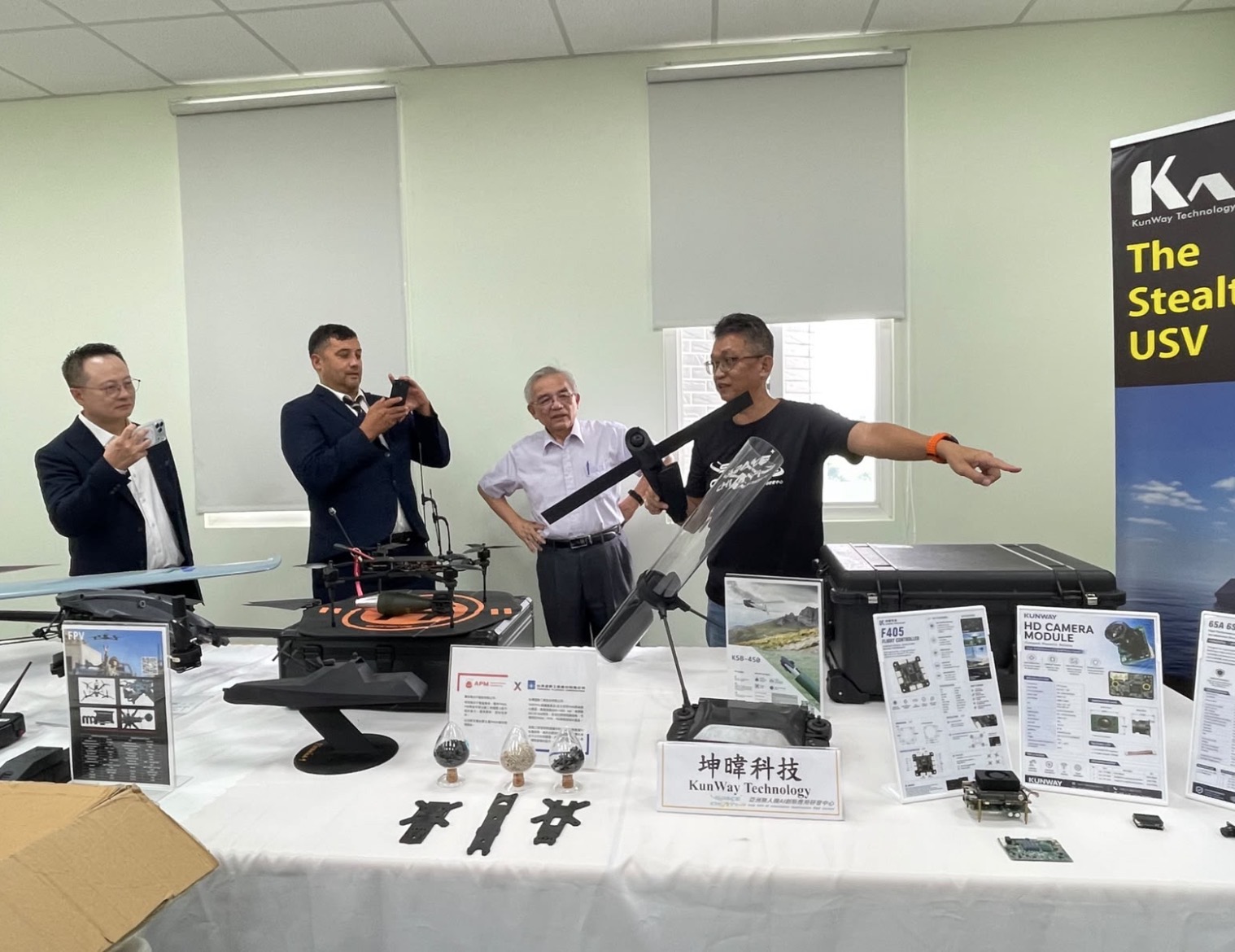
DURENDAL Systems is developing an agnostic, AI-based control system to make remote-controlled drones function autonomously and is proposing a pilot using the city’s drones. Chiayi’s Asia UAV AI Innovation Application R&D Center offers an AI-driven drone development environment and testbeds. Show Chwan Memorial Hospital is piloting drones for medical deliveries and developing a related ordering system.
3.6 Health Technology
Imedtac, the Taichung Healthcare Systems Consortium, and AdvMeds represent Taiwanese health technology leveraging AI. All three would like to offer their solutions to Finnish actors: Imedtac to HUS and others, while the consortium and AdvMeds aim for the Social Services, Health Care and Rescue Services Division. The consortium gathers regional health tech companies under one roof, making contact easier.
3.7 Circular Economy and Materials
Strong & Wise Material Tech manufactures high-quality composite material from fiber and textile waste. Additionally, Shalun Science City has demonstration areas for the circular economy and green energy. This ties directly into Helsinki’s sustainability and circular economy goals.
3.8 Cybersecurity
A representative responsible for cybersecurity from the Presidential Office discussed Taiwan’s work in cybersecurity development, risk communication, and related programs. In their assessment, the EU is relatively behind in cyber capabilities compared to countries like China, the United States, and Israel. Taiwan also offers its information and experiences for the city to utilise.
Conclusions and Proposed Next Steps
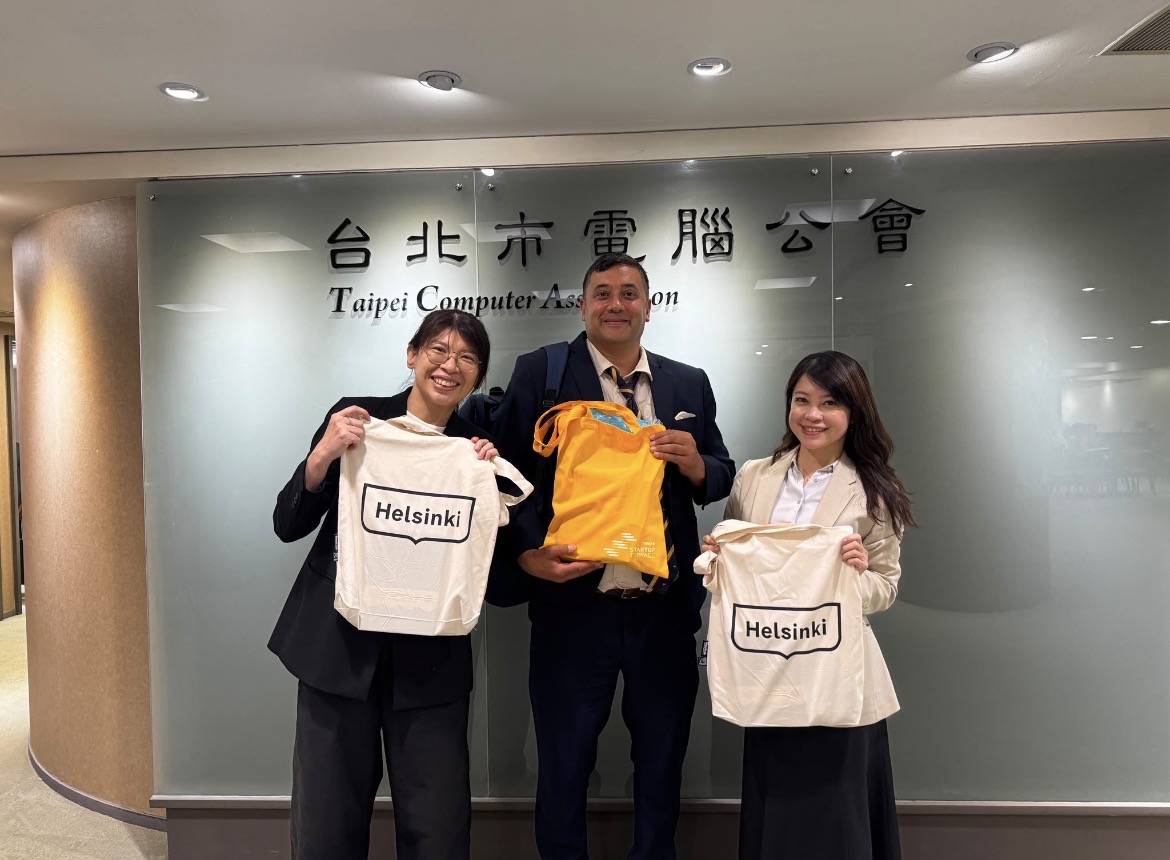
The trip demonstrated that Helsinki has a strong reputation in Taiwan and received an exceptionally open welcome. Contacts are currently warm, but they should quickly be turned into concrete actions. I propose the following next steps:
- City Management Policy: Address Taipei’s invitation to the international mayoral network and CY Huang’s invitation to the ROBO network, and decide on the level of participation.
- Startup Cooperation: Agree on a reciprocal collaboration model with Helsinki Partners, Maria 01, and the Aalto Startup Center alongside Invest Taipei, Startup Terrace, and CardinalRain (e.g., event visits and soft landings).
- Needs-Based Pilot Mapping: Map out which city divisions would benefit from drone, situational awareness, or health technology solutions before responding to the companies’ offers.
- Health Technology: Relay information about the offers to HUS and the Social Services, Health Care and Rescue Services Division to assess their interest.
- Exchange of Smart City Experiences: Agree with Kaohsiung on an information exchange regarding situational awareness and traffic solutions.
- Cybersecurity: Share the findings with the parties responsible for the city’s information security and assess the need for information exchange.
Prerequisites: The implementation of these solutions requires competitive tendering in accordance with the Procurement Act, as well as an assessment of data protection, information security, and EU AI regulations. The scope of the cooperation must also take into account the city’s foreign relations policies and the geopolitical situation of the region.
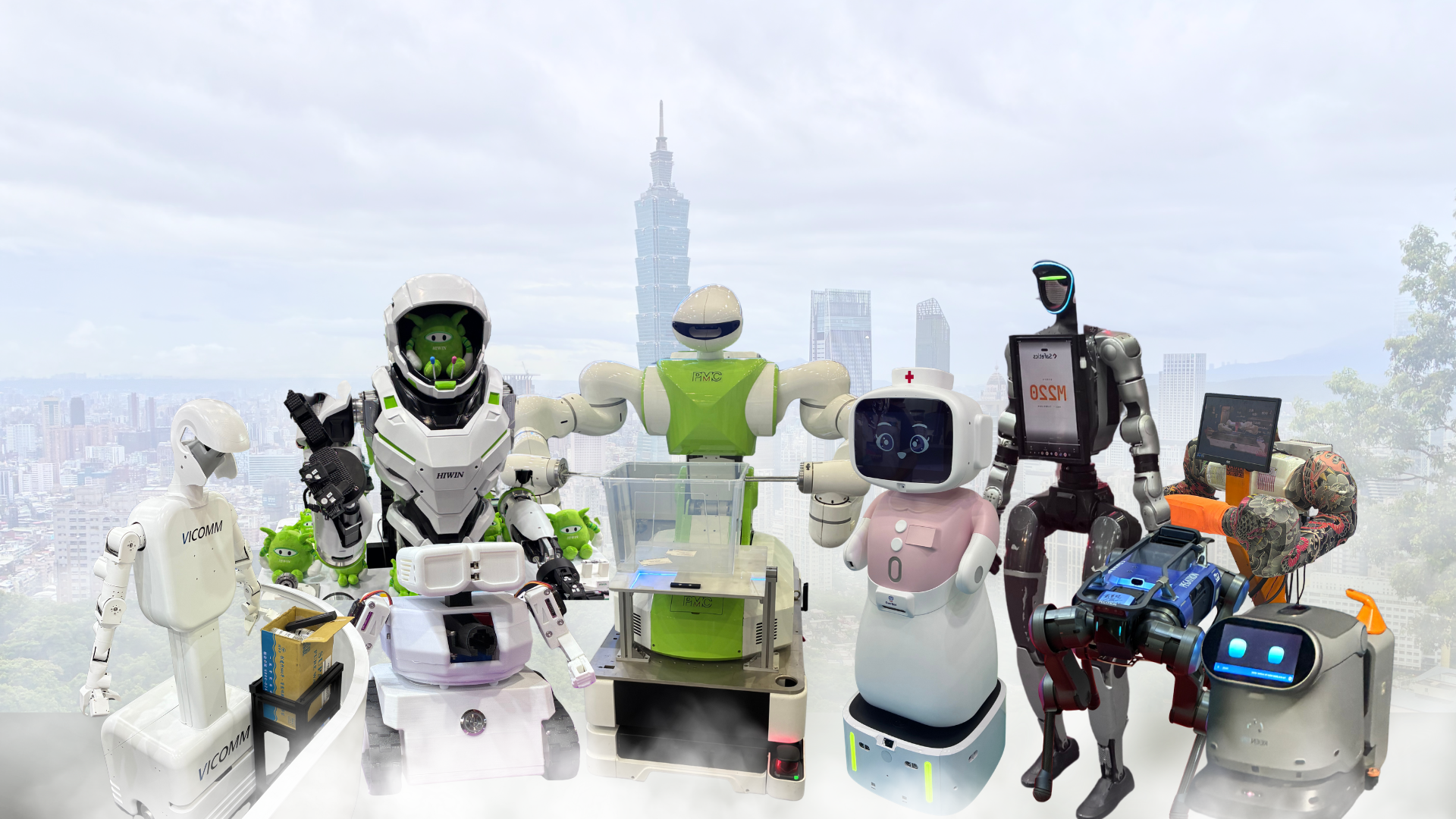
All photos: Aleksis Pillai, Forum Virium Helsinki
Additional information

Aleksis Pillai
Project Manager
+358 41 315 2519
aleksis.pillai@forumvirium.fi

